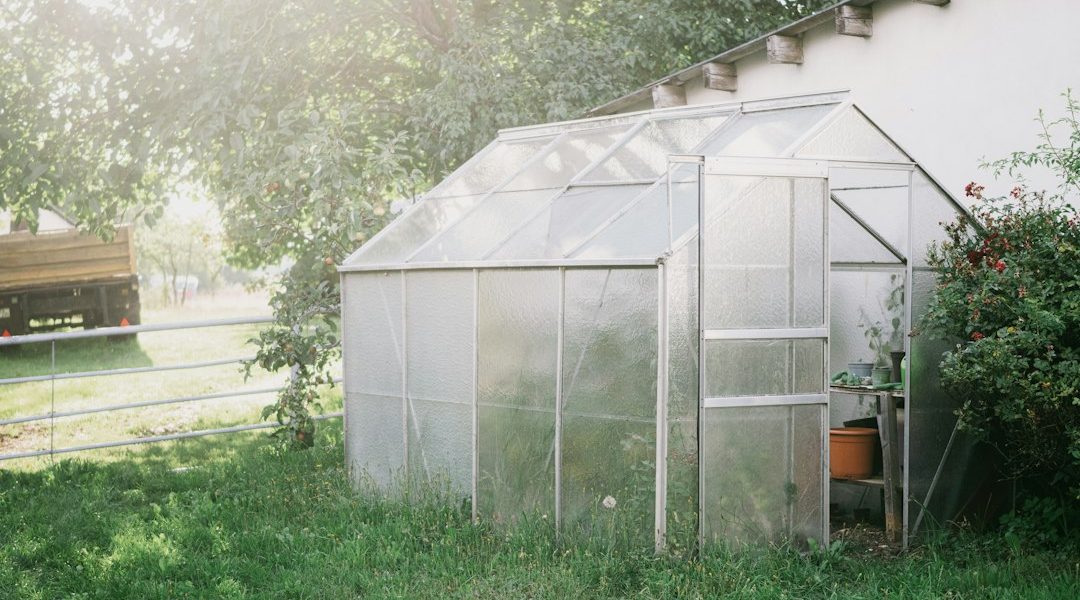
Greenhouse Stores – Explore Lean-To Greenhouses for Space-Saving Gardening

Making the most of available outdoor space is important for gardeners who want to grow plants without filling their entire garden with structures. A lean-to greenhouse offers a practical solution by using a suitable existing wall for support, helping create a sheltered growing area with a relatively compact footprint. greenhousestores.co.uk provides an opportunity to explore different greenhouse designs that suit varied garden layouts and gardening ambitions. With thoughtful positioning and the right features, a lean-to structure can make gardening more convenient while keeping valuable outdoor space available for other uses.
Make Better Use of Limited Space
Lean-to greenhouses are designed to sit alongside a suitable wall or building, making them useful for narrow gardens, courtyards, and outdoor areas where a freestanding greenhouse may be difficult to accommodate. Their space-saving arrangement can leave more room for pathways, seating, storage, or planting beds.
A wall can also provide some shelter from wind, depending on the building’s position and surrounding conditions. Before installation, check that the chosen wall is structurally suitable and that the location receives enough natural light for the plants you intend to grow.
Measure the available area carefully, including the height and width of the structure. Remember to allow enough clearance for doors, ventilation openings, and regular maintenance.
Choose the Right Frame Material
The frame influences the appearance, stability, and maintenance requirements of a lean-to greenhouse. Aluminium is a common choice because it is lightweight, naturally resistant to corrosion, and generally requires little upkeep. Its neat appearance can complement modern buildings and garden designs.
Wooden frames offer a more traditional look and can blend naturally with established outdoor spaces. However, timber needs periodic inspection and suitable protection against moisture to maintain its condition.
When comparing frames, examine the construction, fixing arrangements, door fittings, and compatibility with the selected glazing. The greenhouse should be securely installed according to its design and the requirements of the supporting wall.
Compare Glass and Polycarbonate Glazing
Glazing affects the amount of light entering the greenhouse and the conditions inside. Glass provides clear visibility and good light transmission, making it a popular option for gardeners who want to enjoy an unobstructed view of their plants. Toughened glass offers improved strength compared with standard glass of similar thickness, although it still requires careful handling.
Polycarbonate provides a lightweight and impact-resistant alternative. Multiwall panels contain internal air spaces that can offer additional insulation, making them worth considering when selecting a structure for particular growing conditions.
The right option depends on the plants being cultivated, the local climate, budget, and preferred appearance. Check the product specifications before making a decision.
Plan for Sunlight and Ventilation
Positioning is especially important with a lean-to greenhouse because the supporting wall may affect the amount of sunlight reaching the structure. Observe how sunlight moves across the proposed location during the day. A bright position is generally useful, although some plants may need protection from intense direct sunlight.
Ventilation should also be considered. Roof vents and opening windows help release excess heat and support air circulation. Because compact greenhouse interiors can warm up quickly, regular monitoring of temperature and humidity is useful.
Keep drainage in mind as well. Water should not collect around the base or create problems near the supporting building.
Organise the Growing Area
A lean-to greenhouse can support seedlings, herbs, flowers, and selected vegetables. Staging and shelves help use vertical space efficiently, providing room for pots and seed trays while keeping the floor available for larger containers.
Arrange plants according to their light, watering, and temperature requirements. Leave enough space between containers to encourage airflow and make routine care easier. Useful accessories may include thermometers, watering equipment, shading materials, and automatic vent openers.
Enjoy Practical Gardening in Less Space
Lean-to greenhouses offer a useful combination of compact design and protected growing space. By considering the supporting wall, sunlight, dimensions, frame materials, glazing, and ventilation, gardeners can select a structure that fits their outdoor area.
With careful installation and regular maintenance, a lean-to greenhouse can become a valuable addition to the garden, helping make everyday growing activities more organised and enjoyable.
Key Points
- A lean-to greenhouse utilizes an existing wall for support, providing a compact growing area without consuming extensive garden space.
- Lean-to structures are ideal for narrow gardens and courtyards where freestanding greenhouses may not fit effectively.
- Aluminium is a favored frame material due to its lightweight nature, resistance to corrosion, and low maintenance needs, while wooden frames offer a traditional appearance but require more upkeep.
- Glazing options like glass and polycarbonate affect light transmission and insulation, with toughened glass being stronger and polycarbonate providing impact resistance and multiwall insulation.
- Proper ventilation through roof vents and opening windows is critical, especially as compact greenhouses can heat up rapidly and require regular monitoring of temperature and humidity.
- Organizing the growing area with shelves, staging, and appropriate spacing between plants enhances airflow and makes maintenance easier.