

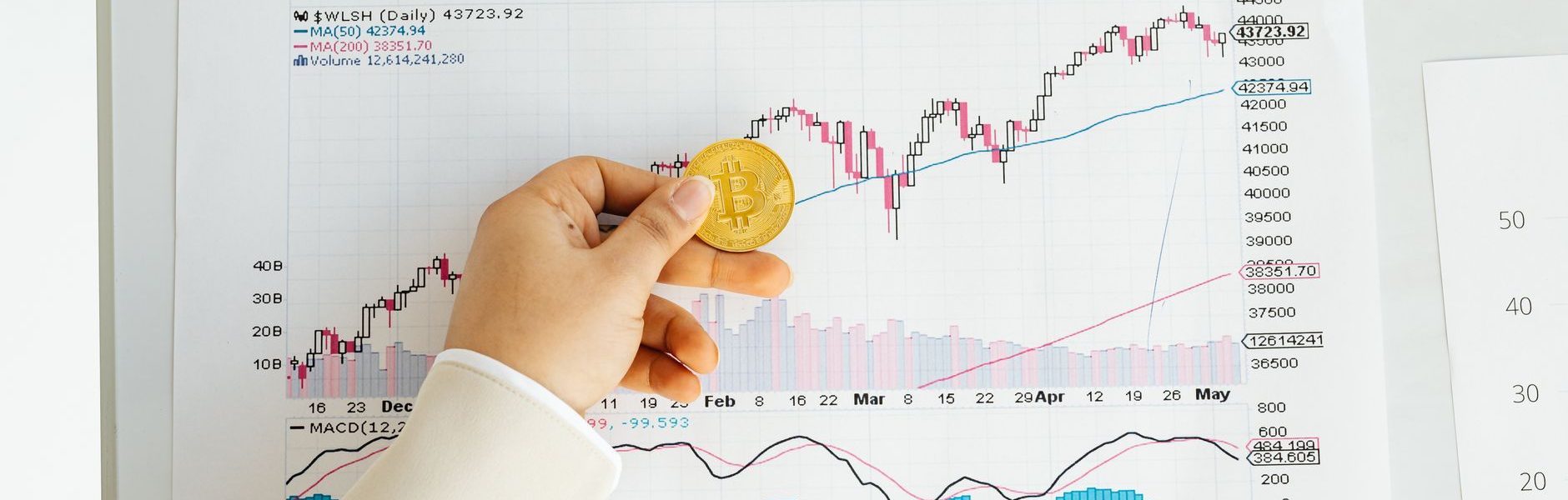

gold price trends are increasingly important as inflation pressures revive due to surging oil prices. Investors are closely monitoring these shifts to make informed decisions in a volatile market.
Understanding Current Gold Price Trends
In recent weeks, the gold market has shown notable fluctuations, driven largely by the ongoing concerns regarding inflation and rising oil prices. As investors seek refuge in precious metals, understanding current gold price trends becomes essential for navigating these economic uncertainties.
The latest report indicates that gold has firmed up, while silver has seen a decline, highlighting the varying investor sentiments towards different metals. The surge in oil prices is reviving inflation pressures, prompting many to consider gold as a hedge against potential economic instability.
Several factors contribute to the shifting dynamics in gold prices:
- Interest Rates: Central banks’ monetary policies greatly influence gold prices, as lower interest rates typically drive more investments into gold.
- Geopolitical Tensions: Heightened global tensions often lead to increased demand for gold as a safe haven asset.
- Market Sentiment: Investor sentiment plays a critical role, with many turning to gold amid fears of inflation and market volatility.
As the economic landscape evolves, staying informed about gold price trends will be crucial for making strategic investment decisions.
Impact of Oil Prices on Inflation
The recent surge in oil prices has sparked renewed concerns about inflation, which significantly impacts gold price trends. As oil becomes more expensive, the costs of goods and services typically rise, leading to higher inflation rates. This scenario often drives investors toward gold, a traditional hedge against inflation.
Several factors contribute to the relationship between oil prices and inflation:
- Increased Production Costs: As oil prices climb, the cost of transportation and production also increases, resulting in higher prices for consumers.
- Consumer Sentiment: Rising oil prices can lead to decreased consumer confidence, prompting individuals to seek safe-haven assets like gold.
- Central Bank Policies: Central banks may respond to inflation by adjusting interest rates, which can further influence gold price trends.
Investors are closely monitoring these movements, as the interplay between oil and inflation could significantly affect the gold market. Understanding this dynamic is crucial for those looking to navigate the complexities of inflation and its impact on gold prices.
The Role of Silver in Today’s Market
In the current financial landscape, silver plays a crucial role as a complementary asset to gold, particularly in navigating inflationary pressures. As gold price trends fluctuate, investors often look to silver as a hedge against economic uncertainty.
One of the primary reasons for this relationship is the historical correlation between the two metals. Both gold and silver are viewed as safe-haven assets, but silver has unique characteristics that can make it appealing in certain market conditions.
- Industrial Demand: Unlike gold, silver has significant industrial applications, particularly in technology and renewable energy. As these sectors grow, silver demand may increase, impacting its price.
- Investment Diversification: Investors often diversify their portfolios with silver to mitigate risk. When gold prices rise, some may choose to allocate a portion of their investments to silver.
- Market Sentiment: The performance of silver can also reflect broader market sentiment, often moving inversely to gold in times of market volatility.
Understanding these dynamics can provide investors with insights into how silver might influence overall gold price trends in the future.
Investment Strategies for Rising Inflation
As inflation continues to rise, investors are increasingly turning to gold as a safe haven. Understanding the gold price trends is essential for making informed investment decisions. Here are some effective strategies to consider when navigating this economic landscape:
- Diversify Your Portfolio: Incorporate a mix of assets, including gold, to mitigate risks associated with inflation. A well-rounded portfolio can shield against volatility.
- Invest in Gold ETFs: Exchange-Traded Funds (ETFs) offer a convenient way to gain exposure to gold without the hassle of physical storage. They can be a practical option for many investors.
- Consider Physical Gold: Investing in coins or bullion can provide a tangible asset that often retains value during economic downturns.
- Stay Informed: Keep an eye on global economic indicators and news, such as oil price fluctuations, which can influence gold prices. Knowledge is key in understanding market dynamics.
By employing these strategies, investors can better navigate the challenges posed by rising inflation while capitalizing on the potential benefits of gold as a stable investment.
Market Reactions to Economic Indicators
As the economic landscape continues to shift, market reactions to various indicators play a crucial role in shaping gold price trends. Recent reports indicate that an increase in oil prices has rekindled concerns about inflation, prompting investors to reassess their strategies. The surge in energy costs is often directly correlated with rising inflation, leading many to flock to gold as a safe haven asset.
Analysts have noted that fluctuations in gold prices can be heavily influenced by economic data releases, including:
- Consumer Price Index (CPI)
- Employment figures
- Gross Domestic Product (GDP) growth rates
Each new piece of data can cause immediate reactions in the gold market, as investors seek to protect their wealth against eroding purchasing power. Moreover, central banks’ policies regarding interest rates also play a significant role; lower rates typically bolster gold prices, while higher rates may have the opposite effect.
In summary, understanding how economic indicators affect gold price trends is essential for investors looking to navigate the complexities of today’s market.
Expert Insights on Precious Metals
As inflation continues to exert its influence on financial markets, experts are closely monitoring the gold price trends. Analysts emphasize the importance of understanding how various economic factors contribute to the fluctuations in precious metal values.
According to renowned economist Dr. Jane Holloway, “Gold has historically served as a hedge against inflation, and its price can be significantly affected by rising oil prices.” She notes that the recent surge in oil prices has revived inflationary pressures, making gold a more attractive investment.
Moreover, investment strategist Mark Liu suggests that investors should consider diversifying their portfolios with precious metals, stating, “With the uncertainty surrounding global economies, gold remains a safe haven.” He recommends monitoring market trends closely to make informed decisions.
The consensus among experts is clear: staying informed about gold price trends can help investors navigate the complexities of inflation. As the market evolves, keeping a keen eye on economic indicators will be crucial for making timely investments in precious metals.
In summary, expert insights indicate that understanding the dynamics of gold prices can enhance investment strategies in today’s inflationary environment.
Photo by https://kaboompics.com/ on Pexels
Sources
Beginner's Guide to Online Gambling with Efbet · Entry rules for foreign ships: Clear Safety Guidelines · Lizaro: jak skutecznie obstawiać zakłady sportowe w 2026 roku?


