

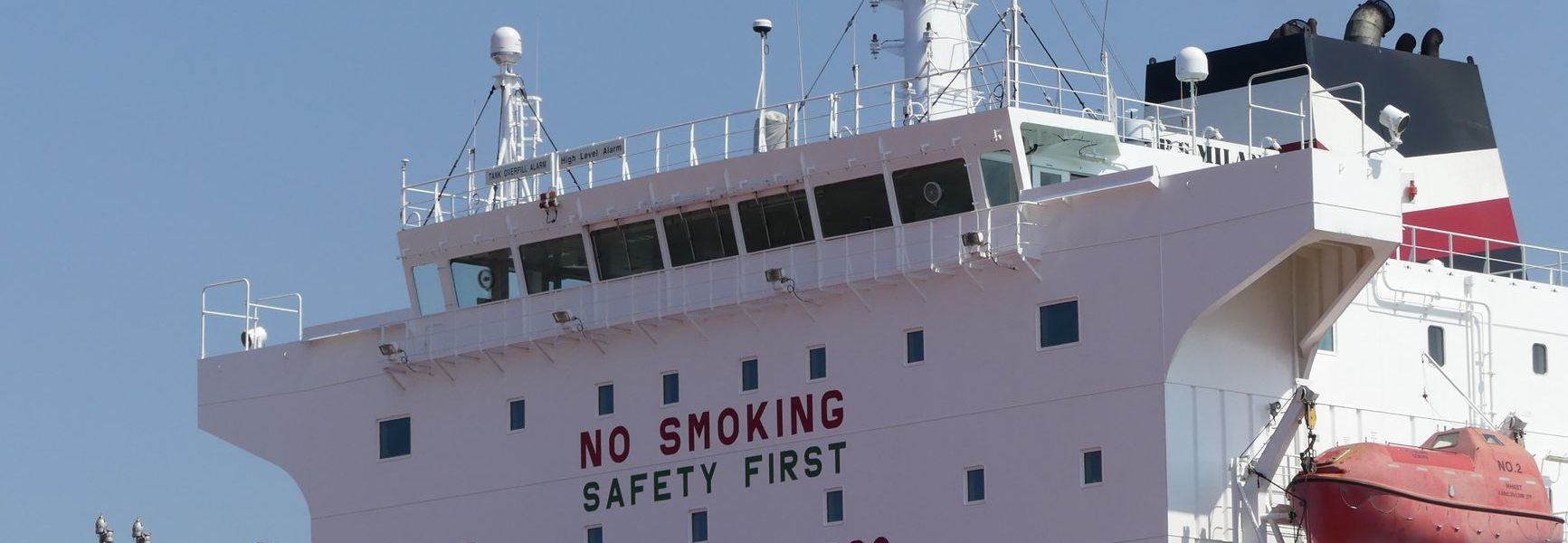

entry rules for foreign ships are being tightened in India, reflecting a significant shift in maritime policy aimed at enhancing coastal security.
Overview of New Entry Rules
India has implemented new entry rules for foreign ships navigating its coastal waters, aiming to enhance maritime safety and security. These regulations come in response to increasing concerns over environmental protection and the potential risks associated with foreign vessels. The guidelines outline specific protocols that must be followed by all foreign ships prior to entering Indian waters.
Among the key provisions are the following:
- Advance Notification: Foreign ships are required to submit a formal notification at least 48 hours before their arrival. This is to ensure adequate preparations for their entry.
- Documentation: All vessels must provide detailed documentation, including their registration papers, cargo manifest, and compliance certificates to relevant authorities.
- Inspections: Ships may be subject to inspections by Indian maritime authorities upon arrival to verify compliance with safety and environmental standards.
- Restricted Areas: Certain sensitive coastal areas may be designated as restricted, requiring special permits for any foreign ship intending to enter.
These new entry rules for foreign ships not only aim to safeguard India’s marine environment but also ensure the safety of navigation in its waters. Compliance with these guidelines is crucial for smooth operations and prevention of incidents at sea.
Impact on Shipping Companies
The recent tightening of entry rules for foreign ships in India’s coastal waters has significant implications for shipping companies operating in the region. Companies must now navigate a more complex regulatory landscape, which may lead to increased operational costs and delays.
One of the primary impacts is the need for enhanced compliance measures. Shipping companies must ensure that their vessels meet the new entry rules for foreign ships, which include stricter documentation and inspection requirements. This can result in:
- Increased Costs: Compliance may require additional spending on training and resources to meet the new standards.
- Longer Wait Times: Stricter inspections at ports could lead to longer waiting periods for ships to unload and reload cargo.
- Operational Adjustments: Companies may need to revise their logistics and supply chain strategies to accommodate potential delays.
Furthermore, the enhanced regulations could deter some foreign shipping firms from engaging in trade with India, impacting overall shipping volumes. As companies weigh the costs and benefits, they must also consider the broader implications for their competitiveness in a global market increasingly focused on safety and compliance.
Safety Measures for Coastal Waters
The recent changes to the entry rules for foreign ships in India’s coastal waters aim to enhance maritime safety and security. These measures are essential to protect the coastal ecosystem and ensure the safety of local fishing and shipping activities.
Among the key safety measures outlined are:
- Mandatory Safety Inspections: All foreign vessels must undergo thorough inspections before entering Indian waters, verifying compliance with international safety standards.
- Vessel Tracking: Foreign ships are required to utilize advanced tracking systems, allowing authorities to monitor their movements in real time.
- Crew Training Requirements: Ships must have a crew trained in emergency response procedures to effectively handle potential incidents at sea.
- Environmental Protection Protocols: Regulations have been established to minimize the environmental impact of foreign vessels, including waste management and pollution prevention strategies.
These stringent entry rules for foreign ships reflect India’s commitment to safeguarding its maritime environment and ensuring a safe passage for all vessels. As these guidelines are implemented, cooperation between foreign shipping companies and Indian authorities will be crucial for successful compliance.
Future of Maritime Regulations in India
The future of maritime regulations in India is poised for significant transformation as the government emphasizes the need for stringent entry rules for foreign ships. With an eye on enhancing safety in coastal waters, these regulations are expected to evolve continually in response to both domestic and international maritime trends.
Experts predict that the focus will increasingly shift towards the adoption of advanced technologies to monitor and manage foreign vessels entering Indian waters. This may include real-time tracking systems and enhanced communication protocols between ships and maritime authorities. As a result, the regulatory framework will likely become more integrated with global standards, promoting not only safety but also environmental sustainability.
Moreover, the collaboration between governmental agencies and shipping companies will be crucial in shaping these future regulations. Stakeholders are encouraged to participate actively in discussions surrounding the entry rules for foreign ships, ensuring that their concerns and insights are considered. This collaborative approach could lead to a more balanced regulatory environment that supports both maritime safety and economic growth.
As the maritime landscape evolves, continuous updates to regulations will serve to protect India’s coastlines while fostering a competitive shipping industry.
Photo by Solvita Vita on Pexels
Sources
You might also like
