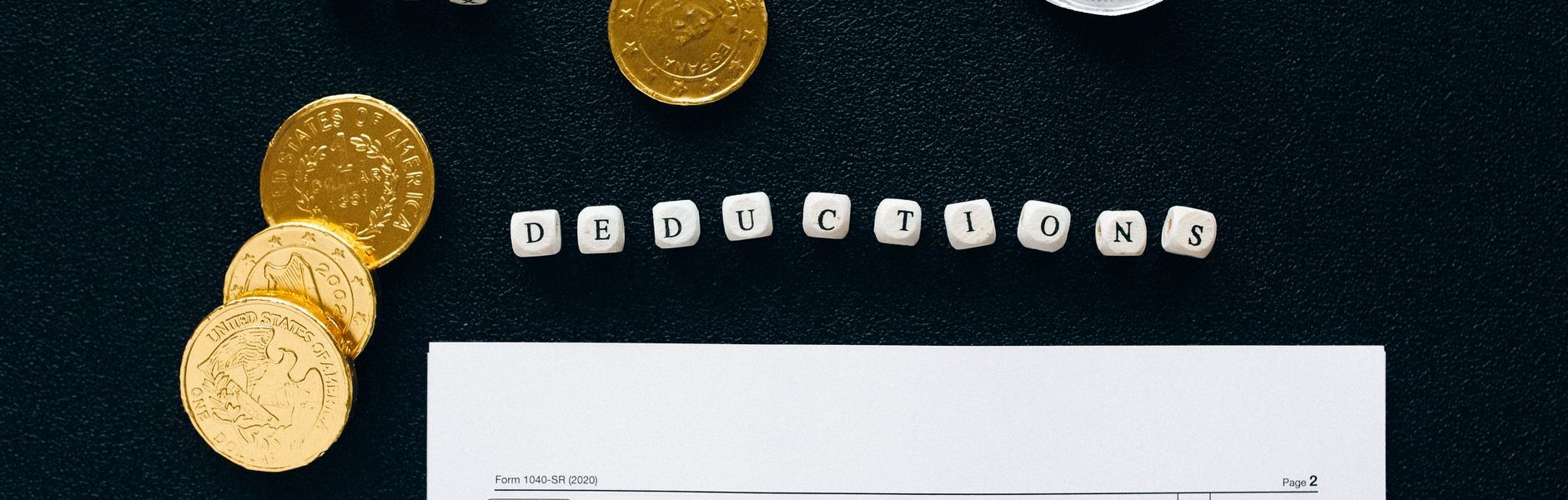

gold import tax relief has been scrapped in India, significantly raising costs for buyers. This decision is set to impact the gold market and consumer purchasing power.
Overview of the Tax Changes
The recent decision by the Indian government to scrap key tax relief for gold imports has sent shockwaves through the market. This move will significantly increase the costs for buyers and investors alike. The changes pertain to the gold import tax relief that previously allowed for a more favorable taxation regime, making gold purchases more accessible to the average consumer.
With the removal of this relief, buyers are expected to face higher customs duties, resulting in an immediate increase in the price of gold in the domestic market. Many industry experts are expressing their concerns about the long-term implications of this decision. The increased costs could discourage potential buyers and investors, leading to a slowdown in gold demand, particularly during the festive season when gold purchases typically peak.
Several key points highlight the impact of this decision:
- Increased Costs: The elimination of tax relief directly translates to higher prices for consumers.
- Market Reaction: A potential decline in gold demand may affect local jewelers and businesses.
- Investment Confidence: Investors might seek alternative assets due to increased taxation.
Impact on Gold Prices
The recent decision to scrap the gold import tax relief has significant implications for gold prices in India. As the cost of importing gold rises due to increased taxes, many analysts predict an upward pressure on market prices. This change is particularly concerning for buyers who rely on gold for both investment and cultural purposes.
Several factors contribute to the potential price hike:
- Increased Import Costs: The removal of tax relief means that importers will face higher costs, which are likely to be passed on to consumers.
- Market Sentiment: As buyers anticipate higher prices, demand may surge, further driving costs up in the short term.
- Global Trends: With international gold prices fluctuating, any increase in local import taxes could exacerbate price volatility in the Indian market.
Moreover, this tax relief repeal may discourage investment in gold as a safe haven asset. Buyers are now faced with the reality of paying more for gold, potentially leading to a decline in overall demand. The long-term consequences of this decision could reshape the landscape of gold buying in India, as consumers reevaluate their purchasing strategies amidst rising costs.
Consumer Reactions to the Tax
Consumer reactions to the recent changes in gold import tax relief have been overwhelmingly negative, as many buyers express their frustration over the increased costs associated with gold purchases. The decision to remove key tax relief for gold imports has left many feeling disheartened, especially in a country where gold holds significant cultural and economic value.
Many consumers have taken to social media to voice their concerns. They believe that this move will not only impact individual buyers but also have broader implications for the jewelry industry. The following points highlight some of the common sentiments shared by consumers:
- Increased Prices: Buyers are worried that the elimination of tax relief will lead to higher gold prices, making it less accessible for the average consumer.
- Investment Concerns: Many view gold as a safe investment, and the tax changes are seen as detrimental, potentially discouraging future purchases.
- Cultural Impact: Gold is often associated with festivals and weddings in India, and rising costs could affect traditional purchases.
Overall, consumers feel that the decision to scrap tax relief is the worst decision for Indian buyers and could have lasting effects on the market.
Historical Context of Gold Imports
The historical context of gold imports in India reveals a complex relationship influenced by cultural significance, economic policies, and global market trends. For centuries, gold has been a symbol of wealth and status, deeply embedded in Indian traditions, especially during festivals and weddings. However, the government has frequently adjusted tax policies to regulate the gold market, impacting both buyers and the economy.
In recent years, gold import tax relief measures were introduced to stimulate the market and curb smuggling, making gold more accessible to consumers. This relief allowed buyers to purchase gold at lower costs, fostering a thriving jewelry industry. However, with the recent announcement to scrap these tax benefits, the repercussions are expected to be significant.
The removal of gold import tax relief not only increases costs for consumers but also raises concerns over potential inflation in the jewelry sector. Buyers who relied on the previous tax benefits now face a daunting choice between higher prices and reduced purchasing power. As India grapples with these changes, the ramifications on consumer behavior and the overall economy remain to be seen, highlighting the challenges posed by shifting tax policies in the gold import landscape.
Government’s Justification for Changes
The Indian government has defended its decision to scrap the gold import tax relief, arguing that the move is essential for stabilizing the economy. Officials claim that the previous tax relief had led to a surge in gold imports, which, in turn, contributed to the widening current account deficit. They believe that by increasing the tax burden on gold imports, the government can encourage domestic production and reduce reliance on foreign gold.
Furthermore, the government posits that the increased revenue from gold taxes can be redirected towards critical infrastructure projects, which are expected to bolster economic growth. Finance Minister Nirmala Sitharaman stated, “This decision is in line with our broader strategy to ensure economic stability and sustainability.”
Critics, however, argue that this approach overlooks the implications for consumers and jewelers, who face higher costs as a result of the tax changes. Many buyers feel that the government’s justification does not adequately address the immediate financial burden placed on citizens.
As the debate continues, it remains to be seen how the removal of gold import tax relief will influence future buying trends and the overall jewelry market in India.
Future Outlook for Gold Buyers
The future outlook for gold buyers in India appears uncertain following the recent changes to gold import tax relief. As the government raises costs associated with gold imports, potential buyers may reconsider their investments in the precious metal. Analysts suggest that this decision could lead to a decline in demand, resulting in fluctuations in gold prices.
Additionally, the impact on the jewelry market is significant. With higher import taxes, jewelry manufacturers may face increased operational costs, which could translate into higher prices for consumers. Buyers looking for affordable options may find themselves priced out of the market.
In the wake of these changes, many consumers are turning to alternatives, such as:
- Investing in other precious metals
- Exploring local artisanal jewelry
- Delaying purchases until market conditions improve
Furthermore, the long-term implications of this tax relief reversal could deter foreign investment in India’s gold sector. As buyers and investors adapt to this new landscape, the government will need to address concerns raised by stakeholders to ensure a stable and thriving market.
Comparative Tax Policies in Other Countries
While India has recently altered its approach to gold import tax relief, several other countries maintain more favorable tax policies that encourage gold investments. This comparison highlights the potential challenges faced by Indian buyers in the global market.
In countries like Singapore, there is no Goods and Services Tax (GST) on gold purchases, making it an attractive destination for gold traders and investors. The absence of taxes allows consumers to buy gold at market rates, which ultimately boosts demand.
Switzerland is another example, where gold is exempt from VAT, thus allowing significant price advantages for buyers. The Swiss model has resulted in a thriving gold market, with the country known for its high-quality bullion and excellent trading conditions.
In contrast, the United States employs a varying sales tax system depending on the state, but many states have minimal or no taxes on gold purchases. This variability can create competitive pricing that benefits consumers.
The lack of competitive tax policies in India may hinder local buyers from making purchases, particularly in a market where global prices are already fluctuating. Without effective gold import tax relief, Indian consumers risk facing higher costs and reduced access to this valuable asset.
Expert Opinions on Economic Implications
Economic analysts have expressed serious concerns regarding the recent decision to scrap gold import tax relief in India. According to leading experts, this move could have significant repercussions for both consumers and the broader economy.
One prominent economist, Dr. Anjali Sethi, stated, “Eliminating tax relief on gold imports will not only increase the cost for buyers but may also drive many to the unregulated market, potentially leading to a rise in smuggling activities.”
Additionally, Rajeev Malhotra, a financial advisor, noted, “This policy shift could exacerbate inflationary pressures, as higher gold prices often translate into increased costs for jewelry and other gold-related products.”
Experts also highlighted potential impacts on India’s trade balance. Dr. Priya Kumar remarked, “With the increase in gold prices, the value of imports could rise, putting further strain on the current account deficit.”
Furthermore, many analysts believe that consumer sentiment will be negatively affected, leading to reduced spending in other sectors. The consensus is that the government must reconsider its approach to gold import tax relief to safeguard both buyers and the economy at large.
The recent implementation of gold import tax relief has raised concerns among financial experts who believe it could lead to market distortions. Many Indian buyers are now questioning whether this gold import tax relief truly benefits them in the long run.
Photo by Nataliya Vaitkevich on Pexels
References
Related stories
Gold Price Trends: The Smart Way to Navigate Inflation · Beginner's Guide to Online Gambling with Efbet · Entry rules for foreign ships: Clear Safety Guidelines