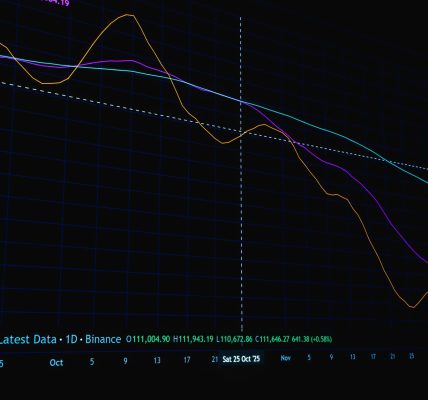
Binance hack implications are more significant than just a private key leak. Understanding these implications is crucial for crypto investors and users alike.
What Happened in the Binance Hack?
The recent Binance hack has raised significant concerns within the cryptocurrency community, highlighting the potential implications for users and the broader market. On the surface, the incident appeared to be a typical security breach; however, it soon became clear that the situation was far more complex.
Initially, reports suggested that hackers gained access through a private key leak. This notion was quickly dismissed as investigators delved deeper into the incident. Instead, the breach was attributed to a sophisticated attack that exploited vulnerabilities in the platform’s architecture.
According to sources, the attackers utilized a set of advanced techniques, allowing them to bypass standard security measures without compromising user funds directly. This revelation has led to increased scrutiny over Binance’s security protocols and the overall safety of centralized exchanges.
As the implications of the Binance hack unfold, several critical points emerge:
- Trust Issues: Users may reconsider their reliance on centralized exchanges, fearing similar incidents could occur in the future.
- Regulatory Pressure: Authorities may impose stricter regulations on exchanges to enhance security measures.
- Market Volatility: The hack may lead to increased volatility in cryptocurrency prices as investors react to the news.
These factors underscore the potential ramifications of the Binance hack, emphasizing the need for heightened vigilance within the crypto space.
Understanding Private Key Leaks
The Binance hack has raised significant concerns within the cryptocurrency community, particularly regarding the implications of private key leaks. Understanding the potential impact of such leaks is crucial for users and investors alike.
Private keys are the fundamental security elements that allow individuals to access their cryptocurrency holdings. When these keys are compromised, the security of digital assets is at risk. A private key leak can lead to unauthorized access and theft, resulting in devastating financial losses for users.
In the case of the Binance hack, while the incident was not directly linked to a private key leak, it highlighted vulnerabilities in centralized exchanges. The implications of this event extend beyond immediate financial losses; they raise questions about trust and security in the entire cryptocurrency ecosystem.
Key considerations regarding private key security include:
- Decentralization: Users should consider holding their assets in decentralized wallets rather than relying solely on exchanges.
- Multi-signature wallets: These provide an additional layer of security by requiring multiple keys to authorize transactions.
- Regular audits: Platforms must implement routine security checks to safeguard against potential breaches.
As the implications of the Binance hack unfold, it is essential to remain vigilant and prioritize security measures against private key leaks to protect digital assets effectively.
Binance Hack Implications for Investors
The recent Binance hack has raised significant concerns among investors regarding the implications of such security breaches. With millions of dollars at stake, the repercussions of this incident extend beyond immediate financial losses, prompting a deeper examination of the risks associated with crypto exchanges.
One of the primary implications for investors is the erosion of trust in centralized exchanges. Many users rely on platforms like Binance for their trading needs, and a hack of this magnitude can lead to a crisis of confidence. Investors may reconsider their strategies, opting to withdraw funds and store them in decentralized wallets, which they perceive as more secure.
Moreover, the Binance hack implications for investors include potential regulatory scrutiny. As authorities around the world take a closer look at cryptocurrency exchanges, stricter regulations may be implemented to safeguard users’ funds. This could affect not only Binance but the entire landscape of cryptocurrency trading.
Additionally, the ongoing dialogue surrounding cybersecurity in the crypto space has intensified. Investors are now more aware of the vulnerabilities that exist, prompting them to educate themselves about safe practices. As a result, individuals may seek out more secure platforms or diversify their portfolios to mitigate risks associated with centralized exchanges.
Ultimately, the Binance hack serves as a stark reminder that the cryptocurrency market, while promising, is fraught with risks that require careful consideration from investors.
The Bigger Problem Behind the Hack
The recent Binance hack has raised concerns that extend far beyond the immediate financial losses. While many focused on the details of the breach itself, the implications of this incident highlight a much larger problem within the cryptocurrency ecosystem. The hack revealed vulnerabilities that could affect not just Binance, but the entire landscape of digital asset exchanges.
One significant issue is the reliance on centralized exchanges. The hack underscores the risks associated with keeping funds on platforms that are vulnerable to attacks. Users may feel secure using these exchanges, but the reality is that they are not immune to breaches. This incident has prompted discussions about the need for greater decentralization in the industry, where users have more control over their assets.
Moreover, the Binance hack implications extend to regulatory scrutiny. As authorities become more aware of the risks posed by centralized exchanges, they may impose stricter regulations, which could stifle innovation and limit access to cryptocurrency for many users.
In addition, the trust factor plays a crucial role. Investors may hesitate to use exchanges that have faced security breaches, fearing that their assets are not safe. This erosion of trust could lead to a significant decline in user engagement and investment in the crypto market.
Ultimately, the Binance hack serves as a wake-up call for both users and the industry as a whole, emphasizing the urgent need for robust security measures and a shift toward more decentralized solutions.
How to Protect Your Crypto Assets
In the wake of the recent Binance hack, it is crucial for cryptocurrency investors to take proactive measures to safeguard their assets. The implications of the Binance hack extend beyond the immediate financial losses; they highlight vulnerabilities in the entire crypto ecosystem.
To protect your crypto assets effectively, consider the following strategies:
- Use Hardware Wallets: Store your digital currencies in hardware wallets, which are offline and less susceptible to hacking attempts.
- Enable Two-Factor Authentication (2FA): Always activate 2FA on your exchange accounts. This adds an extra layer of security by requiring a second form of verification.
- Regularly Update Software: Ensure that your crypto wallets and exchanges are running the latest software updates to protect against known vulnerabilities.
- Be Wary of Phishing Attempts: Always verify the URLs of websites before entering sensitive information. Phishing attacks can lead to unauthorized access to your accounts.
- Diversify Your Holdings: Don’t keep all your assets in one place. Spread your investments across multiple wallets and exchanges.
By implementing these precautions, investors can mitigate the risks associated with hacks and increase the security of their investments. Understanding the Binance hack implications is the first step towards a more secure crypto experience.
Future of Crypto Security
The recent Binance hack has raised significant concerns regarding the future of crypto security. As the cryptocurrency landscape evolves, so do the threats that accompany it. The implications of the Binance hack serve as a wake-up call for both investors and platforms to reassess their security measures.
In light of this event, many are questioning how exchanges can protect user assets effectively. The reliance on centralized systems makes them prime targets for hackers, emphasizing the need for decentralized solutions that prioritize user privacy and security.
To mitigate risks, exchanges must adopt more robust security protocols, including:
- Multi-signature wallets: Requiring multiple approvals for transactions can add an extra layer of security.
- Enhanced user education: Informing users about phishing attacks and safe practices can reduce vulnerabilities.
- Regular audits: Conducting frequent security assessments can help identify potential weaknesses in the system.
Moreover, investors should take personal responsibility in safeguarding their assets by utilizing hardware wallets and diversifying their holdings. The Binance hack implications extend beyond just one platform; they underscore a pressing need for the entire crypto ecosystem to prioritize security. As the industry matures, fostering a culture of security awareness will be paramount in preserving trust and stability in the market.
The Binance hack implications extend far beyond the immediate financial losses, affecting user trust and regulatory scrutiny. As the crypto market grapples with these Binance hack implications, investors are becoming increasingly cautious about their digital assets.
Where this came from
Related stories