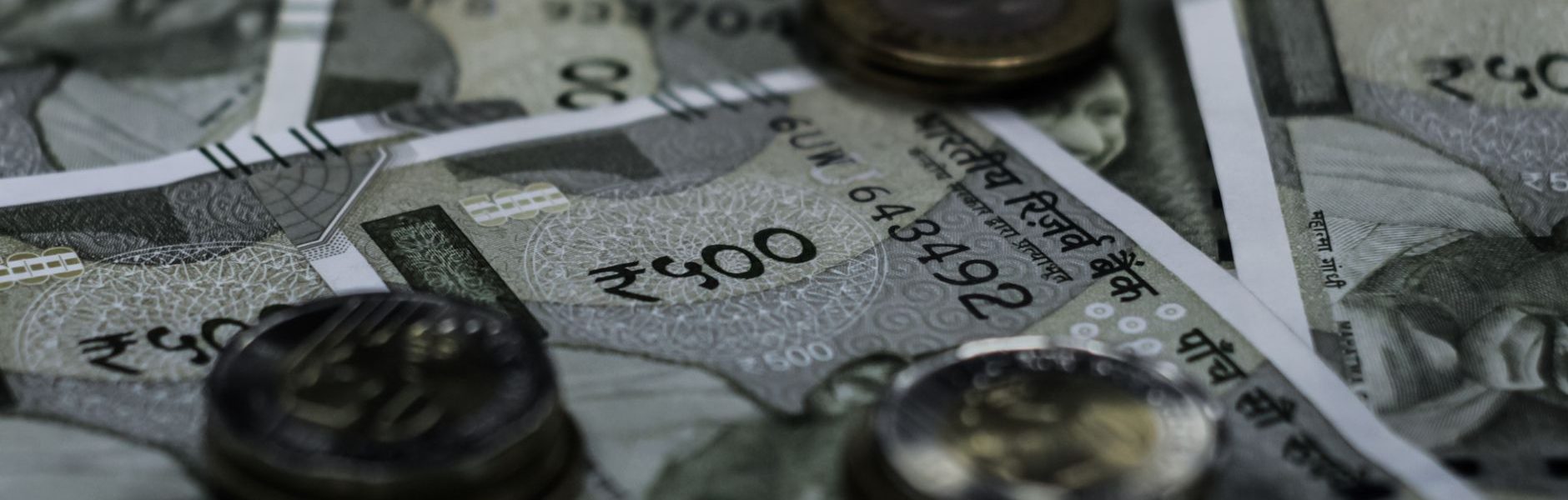

India economy growth is expected to overtake Japan as the world’s fourth largest economy by 2027, according to the IMF. This shift highlights India’s rising economic influence.
Overview of India’s Economic Growth
India’s economy has shown remarkable resilience and growth over the past few years, positioning itself as a formidable player on the global stage. According to recent projections by the International Monetary Fund (IMF), India is expected to overtake Japan as the world’s fourth-largest economy by 2027. This anticipated milestone highlights the country’s robust economic performance driven by various factors.
Several key elements contribute to India’s economic growth:
- Demographic Advantage: With a young and dynamic workforce, India is poised to leverage its population for economic expansion.
- Technological Advancements: The rapid adoption of technology across sectors, including IT and manufacturing, has significantly boosted productivity.
- Increased Investment: Both domestic and foreign investments are flowing into various industries, enhancing infrastructure and creating jobs.
- Government Reforms: Policies aimed at improving the business environment and reducing regulatory burdens have spurred growth.
As India continues on this growth trajectory, the focus remains on sustaining momentum to achieve its economic goals, further solidifying its position in the global economy.
IMF Predictions for 2027
The International Monetary Fund (IMF) has made significant predictions regarding the future of India’s economy, forecasting that it will overtake Japan to become the world’s fourth largest economy by 2027. This anticipated shift highlights the accelerating pace of India’s economic growth and its potential to reshape global economic dynamics.
According to the IMF’s latest report, several factors contribute to this optimistic outlook:
- Demographic Advantage: India boasts a young and growing population, which is expected to enhance productivity and consumption.
- Reforms and Investments: Continued economic reforms and increased foreign direct investment (FDI) are driving development across various sectors.
- Technological Advancements: The rise of technology and innovation in India is fostering new industries and enhancing efficiency.
- Global Economic Trends: As other economies face challenges, India’s resilience and adaptability may position it as a preferred investment destination.
As the world watches, India’s projected economy growth not only indicates a remarkable transformation but also suggests a new era of economic leadership on the global stage.
Comparing India and Japan’s Economies
The economic landscape of Asia is witnessing a significant shift as India is projected to surpass Japan in economic growth, potentially becoming the world’s fourth-largest economy by 2027. This shift highlights the contrasting trajectories of India and Japan’s economies, which have evolved under different circumstances.
India’s economy has been characterized by a robust growth rate fueled by a young population, technological advancements, and a burgeoning middle class. In contrast, Japan’s economy has faced challenges such as an aging population and stagnation in productivity. As a result, the India economy growth narrative has gained momentum, attracting both domestic and foreign investments.
Key factors contributing to India’s economic ascent include:
- Demographic dividend: A youthful workforce supports innovation and consumption.
- Digital transformation: Rapid advancements in technology enhance productivity.
- Policy reforms: Initiatives aimed at improving the ease of doing business foster economic development.
In comparison, Japan’s economy faces challenges that hinder growth, prompting analysts to closely monitor the ongoing developments in both countries.
Impact on Global Markets
The anticipated growth of the Indian economy is set to have significant implications for global markets. As India is projected to become the world’s fourth-largest economy by 2027, surpassing Japan, this shift is likely to influence various sectors worldwide.
One of the primary impacts will be on trade relationships. As India strengthens its economic position, countries may seek to establish or enhance trade agreements with India to capitalize on its growing market. This could lead to a more balanced trade network, reducing reliance on traditional economic powerhouses.
Furthermore, investors are likely to redirect their focus toward India, viewing it as a promising destination for capital. The influx of foreign investment can drive innovation and infrastructure development, further propelling the economy.
Additionally, with India’s economy growth, consumer demand is expected to rise significantly. This could create new opportunities for businesses globally, especially in technology, automotive, and consumer goods sectors.
- Increased foreign direct investment
- Strengthened trade partnerships
- Expansion of multinational companies into Indian markets
Overall, the impact of India’s economy growth is poised to reshape the dynamics of global markets in the coming years.
Future Economic Trends in India
As India continues its trajectory of economic growth, several trends are emerging that could further bolster its position on the global stage. The country’s focus on innovation and technology is expected to drive productivity and economic development, making it a key player in various sectors.
Several factors are contributing to this positive outlook:
- Investment in Infrastructure: Significant government initiatives are being launched to upgrade transportation, energy, and urban infrastructure, which will enhance efficiency and stimulate economic activity.
- Digital Transformation: The rise of the digital economy in India is expected to create new opportunities and jobs, making the country a hub for technology and entrepreneurship.
- Demographic Advantage: With a young and growing population, India boasts a large workforce ready to contribute to various industries, fostering economic growth.
- Foreign Direct Investment (FDI): Increased FDI inflows will likely further accelerate growth, as international companies seek to tap into India’s vast market potential.
These trends indicate a promising future for the India economy growth, positioning it strongly to potentially overtake Japan as the world’s fourth-largest economy by 2027.
Challenges Ahead for India
As India aims for robust economic growth, several challenges lie ahead that could impact its trajectory. While the International Monetary Fund (IMF) predicts that India will surpass Japan to become the world’s fourth-largest economy by 2027, addressing these challenges is crucial for sustained progress.
One significant hurdle is infrastructure development. A lack of adequate infrastructure can hinder economic activities and deter foreign investment. The government must prioritize investments in roads, railways, and digital connectivity to facilitate smoother operations across various sectors.
Additionally, employment generation poses another challenge. With a growing population, creating enough jobs to meet demand will be essential. The government needs to focus on skill development programs to equip the workforce with necessary skills and enhance employability.
Furthermore, regulatory reforms are necessary to simplify business operations. Bureaucratic red tape can stifle innovation and slow down growth. Streamlining processes will encourage entrepreneurship and attract more foreign direct investment.
In conclusion, while India’s economy is on a promising growth path, tackling these challenges head-on will be vital to achieving its goal of overtaking Japan and securing a stronger position in the global market.
The recent trends in the India economy growth indicate a strong potential to surpass Japan’s economic output in the coming years. With strategic investments and a youthful workforce, India economy growth is set to reshape the global economic landscape.
Photo by Ravi Roshan on Pexels
Where this came from
Related reading
Travelers Companies Q3 Earnings: A Proven Success Story · Upcoming IPOs Next Week: Discover the Best Opportunities · Digital Marketing Trends That Still Matter in 2026