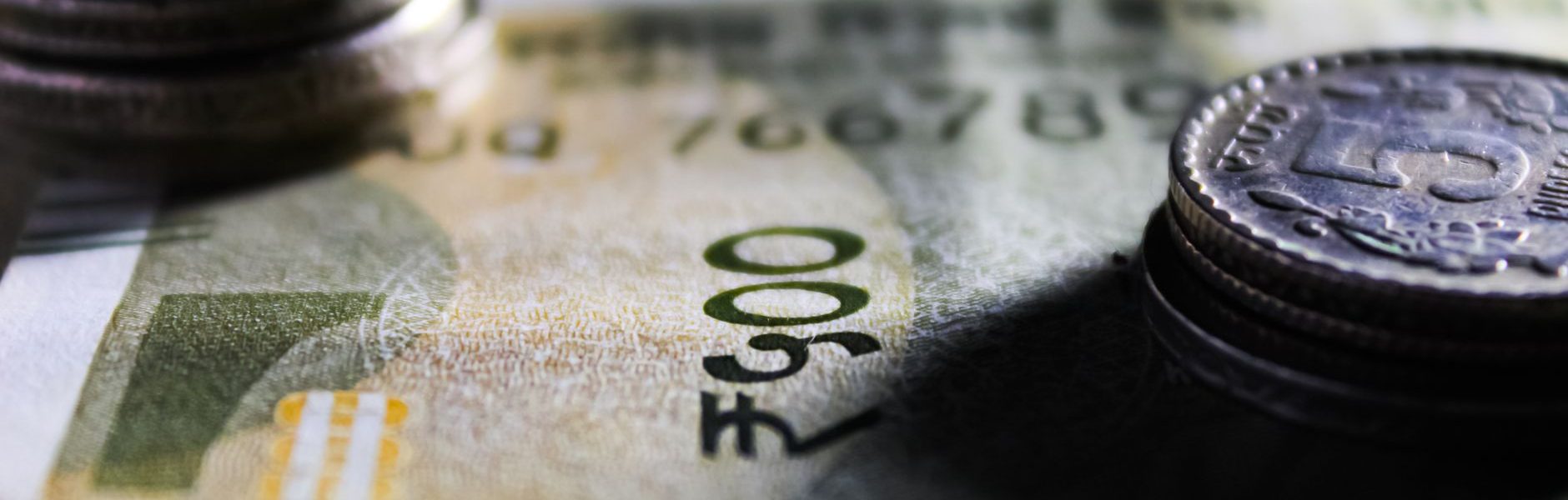

The Indian rupee rise is significant as it strengthens to ₹95.75 following a new RBI rule. This development has sparked interest among investors and economists alike.
Understanding the RBI’s New Rule
The recent rise in the Indian rupee has caught the attention of investors and analysts alike. With the currency appreciating by 98 paise to ₹95.75, many are questioning the implications of this shift. A significant factor behind this movement is the new rule implemented by the Reserve Bank of India (RBI).
The RBI’s decision aims to stabilize the currency and encourage foreign investments, which could lead to a more robust economic environment. This policy change has been welcomed by the market, as a stronger rupee often translates to reduced inflation and increased purchasing power for consumers.
However, while the Indian rupee rise presents opportunities, it is essential to consider the broader economic context. Investors should keep an eye on:
- Global economic trends and their impact on the rupee
- Potential fluctuations in the currency due to geopolitical factors
- The RBI’s ongoing monetary policy adjustments
In conclusion, the increase in the Indian rupee, bolstered by the RBI’s new rule, could indeed be an opportune moment for investments, provided that investors remain informed and cautious.
Impact of Currency Fluctuations
The recent rise of the Indian rupee has sparked discussions among investors about its potential impact on the economy. Currency fluctuations can significantly affect various sectors, influencing both domestic and international trade.
When the Indian rupee rises, it can lead to several consequences:
- Import Costs: A stronger rupee makes imports cheaper, which can benefit businesses relying on foreign goods and materials. This reduction in costs can lead to increased profit margins and potentially lower prices for consumers.
- Export Challenges: On the flip side, a rising rupee can hurt exporters. As their goods become more expensive for foreign buyers, companies may see a decline in sales, impacting overall economic growth.
- Foreign Investment: A stable and appreciating currency can attract foreign investments, as it signals economic strength. Investors may view the Indian rupee rise as a positive indicator when considering long-term investments.
- Inflation Control: A stronger rupee can help control inflation by reducing the cost of imported goods, contributing to overall economic stability.
As the Indian rupee continues to rise, investors need to evaluate the implications carefully and consider whether it’s the best time for investments.
What This Means for Investors
The recent rise of the Indian rupee, which strengthened by 98 paise to ₹95.75 following the RBI’s new rule, has significant implications for investors. As the currency strengthens, it can lead to increased purchasing power for imported goods and services, potentially lowering inflation. This scenario could create a conducive environment for investments, as lower inflation often translates to more stable interest rates.
For investors, the Indian rupee rise may signal opportunities in various sectors. Here are some key considerations:
- Equities: A stronger rupee may benefit companies that rely on imports for raw materials, potentially boosting their profit margins.
- Forex Markets: Investors may find opportunities in currency trading, as fluctuations in the rupee’s value can create profit avenues.
- Debt Instruments: With a stable currency, the risk associated with foreign-denominated debts may decrease, making bonds more appealing.
- Long-term Growth: A resilient rupee can enhance overall economic stability, encouraging both domestic and foreign investments.
In conclusion, the current landscape may provide a favorable backdrop for investment strategies, as the Indian rupee rise could lead to enhanced market confidence.
Expert Opinions on the Rupee Rise
Experts are weighing in on the recent rise of the Indian rupee, which has appreciated by 98 paise to ₹95.75 following the Reserve Bank of India’s new regulations. Many analysts believe this upward trend could signal a favorable period for investors. Rajesh Kumar, a senior economist, noted that “the Indian rupee rise is a reflection of strengthening economic fundamentals and positive investor sentiment.” He emphasized that this could be the ideal time for individuals looking to diversify their portfolios.
In contrast, Priya Mehta, a financial advisor, cautioned investors to remain vigilant. “While the rupee’s rise presents opportunities, it is essential to consider market volatility and global economic conditions,” she advised. She recommends focusing on sectors that historically perform well during periods of currency appreciation, such as technology and export-oriented industries.
Furthermore, analysts suggest that investors keep an eye on the RBI’s policies moving forward. Vikram Singh, a market strategist, stated, “The direction of the Indian rupee will largely depend on the government’s fiscal measures and global economic trends.” Thus, while the current scenario may be promising, a cautious approach is advisable.
Future Outlook for the Indian Rupee
The recent rise of the Indian rupee has sparked discussions among investors regarding future market dynamics. As the currency strengthens, many are questioning whether this is the best time for investments. Analysts suggest that the Indian rupee’s upward trajectory may continue, influenced by various economic factors.
Several key elements could impact the future outlook for the Indian rupee:
- Global Economic Trends: The performance of major economies, especially the United States and China, could affect the rupee’s stability.
- Interest Rate Adjustments: The Reserve Bank of India’s monetary policy decisions will play a crucial role in either supporting or hindering further appreciation of the currency.
- Trade Balance: A positive trade balance may strengthen the rupee, attracting foreign investments and improving market confidence.
- Geopolitical Factors: Political stability and international relations can significantly influence investor sentiment and currency valuation.
As the Indian rupee rises, potential investors should closely monitor these factors, as they will ultimately dictate the currency’s performance and investment opportunities. The current climate may, indeed, be an opportune moment for those looking to invest.
Comparative Analysis with Other Currencies
The recent rise of the Indian rupee has sparked interest in how it compares to other major currencies. As the rupee rises, it is essential to consider its performance against currencies such as the US dollar, euro, and British pound.
Current trends indicate the following:
- US Dollar: The Indian rupee has shown a notable appreciation against the dollar, reaching levels that have not been seen in recent months. This rise could potentially enhance the purchasing power of Indian consumers and businesses abroad.
- Euro: The rupee’s rise against the euro has made imports from Europe relatively cheaper, which may influence trade balances positively.
- British Pound: With the rupee strengthening against the pound, Indian travelers and businesses are likely to benefit from reduced costs when engaging with the UK market.
Investors are now evaluating whether the current Indian rupee rise presents an opportune moment for investments. A stronger currency often translates to lower inflationary pressures, making this an attractive time for both domestic and foreign investments.
The recent Indian rupee rise has sparked interest among investors looking for opportunities in the market. With the Indian rupee rise, many are wondering if now is the best time for investments in various sectors.
Photo by Ravi Roshan on Pexels
Sources