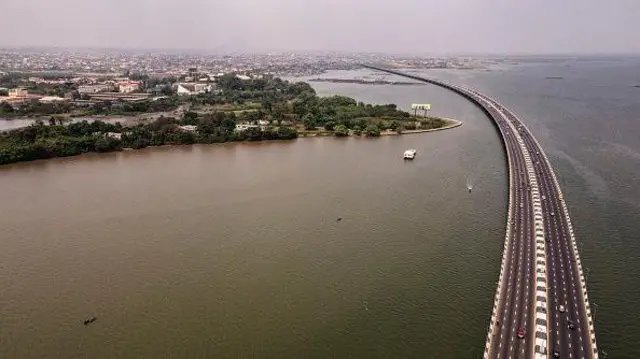

Spanning the shimmering waters of Lagos lagoon, Third Mainland Bridge Lagos stands as an iconic structure connecting the bustling city. This engineering marvel is not just a mere transportation artery but a vital lifeline for millions of commuters daily. With its impressive length and architectural significance, Third Mainland Bridge Lagos holds a special place in the heart of Lagosians, symbolizing unity and progress. As the sun sets over the horizon, casting a golden glow on its sturdy pillars, the bridge silently echoes the pulse of a vibrant city on the move.

The Magnificent Third Mainland Bridge in Lagos, Nigeria
Welcome to the bustling city of Lagos, Nigeria, where one of the most iconic landmarks stands tall and proud – the Third Mainland Bridge. This engineering marvel is not only a vital transportation link but also holds a significant place in the hearts of Lagosians. Join me as we delve into the history, construction, significance, and fascinating facts surrounding the Third Mainland Bridge.
The History Behind the Third Mainland Bridge
Opened on July 7, 1990, the Third Mainland Bridge is the longest of the three bridges connecting Lagos Island to the mainland. Stretching a total length of about 11.8 kilometers (7.36 miles), this bridge is a crucial artery that eases traffic congestion in the ever-bustling city.
The idea for the Third Mainland Bridge was conceived to alleviate the burden on the older Carter Bridge and Eko Bridge, which could no longer efficiently handle the increasing traffic flow. The Nigerian government, in collaboration with engineering experts, embarked on this ambitious project to enhance connectivity and accessibility across Lagos.
The Engineering Marvel of the Third Mainland Bridge
The construction of the Third Mainland Bridge was no small feat. Engineers and workers faced numerous challenges during the building process, including navigating the vast body of water that the bridge spans – the Lagos Lagoon. The foundation of the bridge needed to be strong enough to withstand the water’s currents and support the immense weight of traffic passing overhead.
To achieve this, engineers utilized cutting-edge technology and innovative construction techniques. The bridge comprises three types of sections: a long span bridge, a cable-stayed section, and a fixed bridge section. This design allows for the bridge to accommodate various traffic flows while maintaining structural integrity.
The Significance of the Third Mainland Bridge
Beyond its functional role as a transportation link, the Third Mainland Bridge holds immense cultural and historical significance for the people of Lagos. It has become a symbol of progress and development in the city, representing the resilience and ingenuity of its residents.
For many Lagosians, crossing the Third Mainland Bridge is a daily ritual, a journey that connects them to work, family, and leisure activities. The bridge has witnessed countless stories, conversations, and shared experiences, weaving itself into the fabric of Lagosian life.
Interesting Facts About the Third Mainland Bridge
- The Third Mainland Bridge was constructed by Julius Berger Nigeria PLC, a renowned construction company with a rich history of building infrastructure in Nigeria.
- During its construction, over 2,000 workers were involved in the project, working tirelessly to bring the bridge to life.
- The Third Mainland Bridge is not only a vital road link but also serves as a sightseeing spot for tourists and visitors to Lagos.
- At night, the bridge is illuminated, creating a mesmerizing spectacle that adds to the beauty of Lagos’s skyline.
In conclusion, the Third Mainland Bridge stands as a testament to human ingenuity and determination. It embodies the spirit of progress and connectivity, serving as a lifeline for the people of Lagos. As you travel across this magnificent structure, remember the history, engineering marvel, and significance it holds for the vibrant city of Lagos, Nigeria.
Next time you find yourself in Lagos, take a moment to appreciate the beauty and functionality of the Third Mainland Bridge, a true symbol of unity and progress in this dynamic city.
Frequently Asked Questions
What is the current status of the Third Mainland Bridge in Lagos?
The Third Mainland Bridge in Lagos is currently open for use by motorists. It underwent some repairs and maintenance work recently to ensure its structural integrity and safety for commuters.
Are there any restrictions or special considerations for driving on the Third Mainland Bridge?
While there are no major restrictions, commuters are advised to adhere to the speed limits, avoid overloading their vehicles, and maintain lane discipline while driving on the Third Mainland Bridge to ensure a smooth flow of traffic and safety for all road users.
What should commuters do in case of an emergency or breakdown on the Third Mainland Bridge?
In the event of an emergency or breakdown on the Third Mainland Bridge, motorists are advised to move their vehicles to the shoulder if possible, turn on hazard lights, and contact the appropriate authorities or emergency services for assistance. It is important to prioritize safety and follow guidelines provided in such situations.
Final Thoughts
In conclusion, Third Mainland Bridge in Lagos serves as a critical transportation link, connecting residents and easing traffic congestion. The recent maintenance efforts have aimed to enhance the bridge’s longevity and safety for commuters. As a vital infrastructure piece, Third Mainland Bridge plays a significant role in the daily lives of many Lagosians. It remains a symbol of progress and connectivity for the bustling city of Lagos.