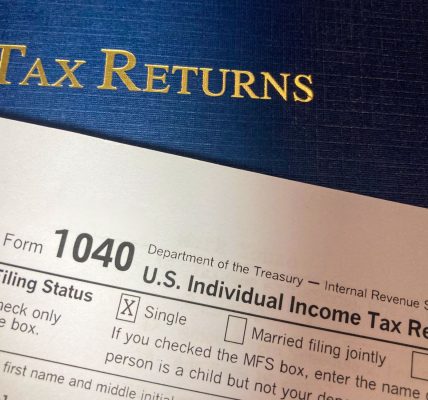

The working families tax law is designed to help households and businesses navigate recent changes. Understanding these updates is crucial for maximizing your tax benefits.
Understanding the Working Families Tax Law
The recent updates to the Working Families Tax Law aim to provide much-needed relief to households across the country. These changes, announced by the IRS, are designed to simplify tax filing for families and enhance their financial well-being.
One of the key aspects of the new legislation is the increase in tax credits available to eligible families. This includes a higher Child Tax Credit, which can significantly reduce the overall tax burden for working parents. Additionally, the law expands eligibility criteria, allowing more families to benefit.
Moreover, the Working Families Tax Law introduces enhancements to the Earned Income Tax Credit (EITC), making it more accessible to lower-income families. This adjustment not only encourages work but also supports those who may be struggling to make ends meet.
Finally, the IRS has implemented measures to streamline the filing process, reducing the complexity that often accompanies tax season. By providing clearer guidelines and resources, the agency aims to ensure that families can easily navigate their tax responsibilities.
Overall, these changes reflect a commitment to supporting working families and fostering economic stability in households nationwide.
Key Benefits for Households
The recent updates to the Working Families Tax Law bring several key benefits for households, aiming to alleviate financial burdens for working families across the nation. These changes are designed to provide enhanced support and flexibility in tax relief.
- Increased Tax Credits: Families can access larger tax credits, which directly impact their overall tax liability, allowing for greater savings.
- Childcare Support: Enhanced provisions for childcare expenses help families manage the cost of working while ensuring their children are well cared for.
- Expanded Eligibility: More households are now eligible for tax relief under the Working Families Tax Law, making it easier for families to benefit from these financial supports.
- Flexible Filing Options: Changes in filing options allow families to choose the method that suits their financial situation, reducing complexity and stress during tax season.
- Support for Low-Income Families: The law places a strong emphasis on aiding low-income households, ensuring that the benefits reach those who need them the most.
Overall, the Working Families Tax Law aims to empower households, providing them with the resources necessary to thrive in today’s economy.
Impact on Small Businesses
The recent updates to the Working Families Tax Law have significant implications for small businesses across the country. These changes aim to support both employees and employers, ensuring that families receive the financial assistance they need while promoting economic growth.
One of the primary impacts on small businesses is the introduction of tax credits that help offset costs associated with hiring and retaining employees. These credits are designed to incentivize businesses to provide better wages and benefits, ultimately benefiting working families.
Additionally, small business owners will find that the law simplifies the process of claiming these tax credits, reducing administrative burdens and allowing them to focus more on their core operations. Moreover, by encouraging companies to invest in their workforce, the Working Families Tax Law fosters a more engaged and productive labor environment.
It is also crucial for small businesses to be aware of the potential for increased demand for services as families benefit from the law’s provisions. This can lead to growth opportunities and the possibility of expansion, allowing businesses to contribute positively to their local economies.
How to Prepare for Tax Season
As tax season approaches, it is essential for families to prepare adequately to take full advantage of the benefits offered by the Working Families Tax Law. Here are some steps to ensure a smooth tax filing experience:
- Gather Documentation: Collect all necessary documents, including W-2s, 1099s, and records of any tax credits you intend to claim. This will help you accurately report your income and expenses.
- Understand Eligibility: Review the requirements of the Working Families Tax Law to determine your eligibility for various tax credits and deductions.
- Consult a Tax Professional: Consider seeking advice from a tax professional who is familiar with the latest changes in tax law. They can provide guidance tailored to your family’s specific situation.
- Utilize Online Resources: Visit the IRS website for up-to-date information on tax law changes and helpful tools that can assist you in the filing process.
By following these steps, families can maximize their benefits under the Working Families Tax Law and minimize any stress associated with tax season.
By infomatique via Openverse
References
You might also like