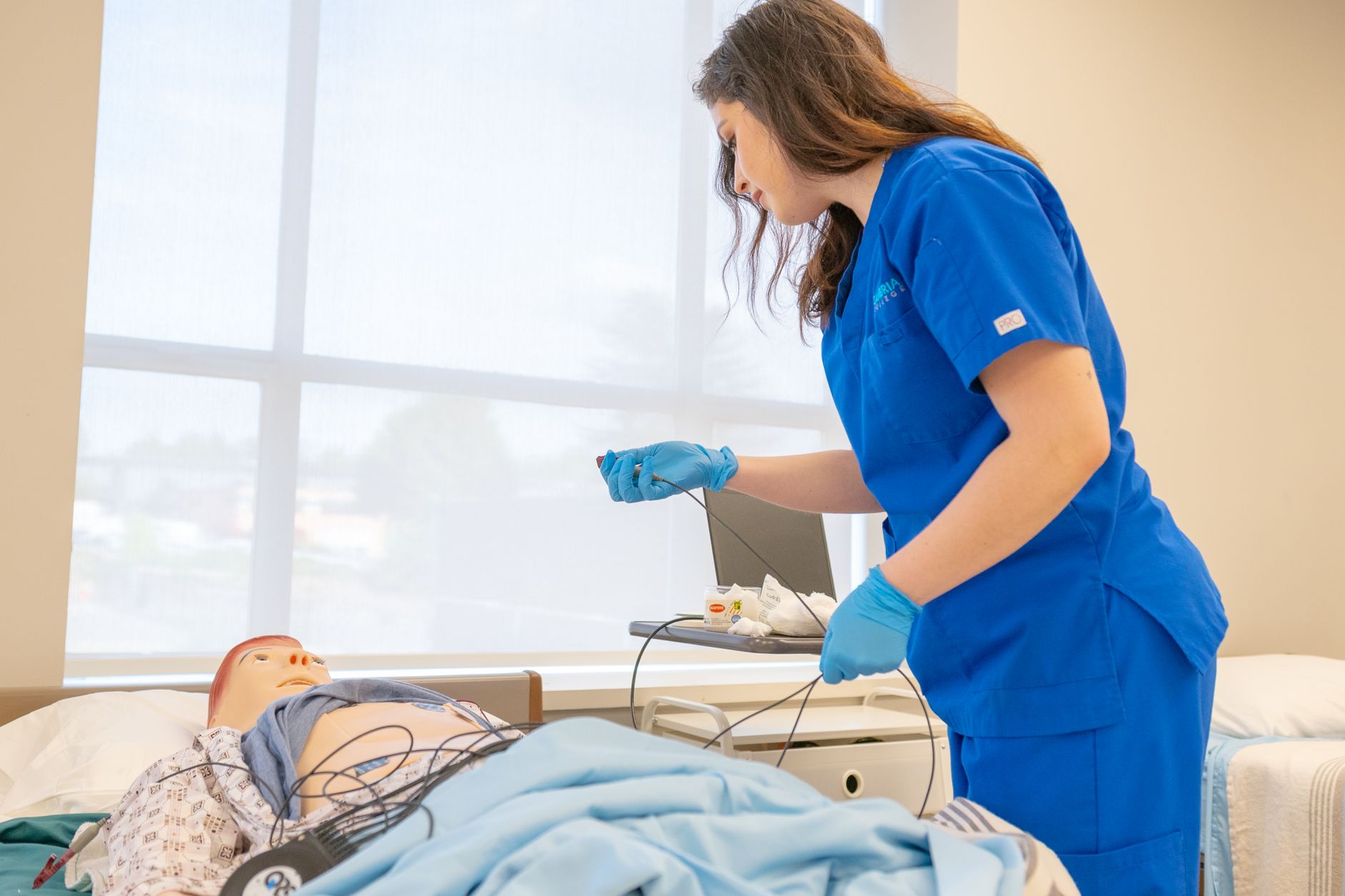

Healthcare systems depend on skilled professionals who can combine clinical knowledge with compassion, accuracy, and sound judgment. For candidates exploring Nursing specialist jobs (pflegefachfrau jobs), the professional landscape offers opportunities to develop expertise while contributing directly to patient care. A nursing specialist works across diverse healthcare settings, where responsibilities can range from monitoring patients and coordinating treatments to supporting families and maintaining detailed clinical documentation. The role requires both technical competence and strong interpersonal abilities.
Contents
- Understanding the Nursing Specialist Role
- Skills That Support Professional Performance
- Areas of Professional Development
- What Employers Commonly Look For
- Finding Suitable Nursing Opportunities
- Long-Term Career Perspective
Understanding the Nursing Specialist Role
Nursing specialist positions involve much more than routine patient assistance. Professionals are expected to assess individual needs, observe changes in health conditions, administer appropriate care, and communicate relevant information with medical teams. Their daily responsibilities can vary according to the workplace, specialization, patient group, and level of clinical responsibility.
Healthcare statistics consistently show that nursing teams are central to the continuity of patient services. As healthcare becomes more specialized, nurses increasingly contribute to coordinated care, preventive services, rehabilitation, and long-term support. This broad professional scope makes nursing an important career path for people seeking meaningful responsibilities in healthcare.
Skills That Support Professional Performance
A strong nursing specialist combines practical abilities with dependable professional behavior. Clinical observation is particularly important because nurses often spend significant time with patients and may notice changes before other members of the healthcare team.
Communication is another essential skill. Nurses must explain procedures clearly, listen carefully to patients, and share relevant observations with colleagues. Organizational ability also plays an important role because several patients may require attention within the same working period.
Other valuable qualities include:
Careful clinical documentation
Patient-focused communication
Ability to work within multidisciplinary teams
Responsible decision-making
Adaptability in changing environments
Commitment to professional standards
Emotional resilience and empathy
These skills help create safe and consistent care while supporting effective teamwork.
Areas of Professional Development
Nursing offers several directions for professional development. Depending on qualifications and interests, a specialist may focus on areas such as elderly care, acute care, rehabilitation, mental health support, community nursing, surgical services, or specialized clinical departments.
Continuous learning is particularly important in modern healthcare. Medical procedures, documentation systems, digital technologies, and professional guidelines continue to evolve. Nurses who actively update their knowledge can remain prepared for changing workplace requirements and take on more advanced responsibilities over time.
Professional development may include additional education, workplace training, specialist certifications, or experience in a particular clinical environment. Each step can strengthen a candidate’s professional profile.
What Employers Commonly Look For
Healthcare employers generally seek candidates who demonstrate reliable clinical practice and a responsible approach to patient care. Formal qualifications are important, but employers also consider practical experience, communication skills, teamwork, and the ability to remain organized under pressure.
A clear professional résumé should highlight relevant education, clinical experience, specialist knowledge, language abilities, and important professional competencies. Candidates should also describe responsibilities accurately rather than relying only on general job titles.
During interviews, employers may explore how applicants respond to challenging situations, communicate with patients, prioritize tasks, and collaborate with colleagues. Preparing examples from previous professional experiences can make these discussions more structured and informative.
Finding Suitable Nursing Opportunities
A focused job search can make the process more efficient. Candidates should begin by identifying preferred healthcare settings, areas of specialization, working environments, and professional development goals. Reviewing job descriptions carefully can help applicants determine whether their qualifications and experience match the role.
A professional healthcare employment platform can also simplify the search by bringing relevant vacancies together in one place. Organized listings allow candidates to compare responsibilities and identify positions that align with their skills and career direction.
Long-Term Career Perspective
Nursing remains a profession built around continuous responsibility, learning, and human connection. Specialists who maintain strong clinical standards while developing communication and leadership abilities can create a sustainable professional pathway.
For prospective applicants, the most effective approach is to combine appropriate qualifications with practical experience, continuous education, and a clear understanding of personal career goals. With thoughtful planning, nursing specialist roles can provide a rewarding professional journey while allowing individuals to make a lasting contribution to quality healthcare.
Key Points
- Nursing specialists work across diverse healthcare settings and are responsible for patient monitoring, treatment coordination, and maintaining clinical documentation.
- Clinical observation is crucial for nurses as they often notice health changes in patients before other healthcare team members.
- Healthcare employers prioritize candidates who show reliable clinical practice, communication skills, teamwork, and the ability to stay organized under pressure.
- Professional development in nursing can involve additional education, workplace training, specialist certifications, and experience in specific clinical environments.
- A focused job search strategy includes identifying preferred healthcare settings, areas of specialization, and reviewing job descriptions to match qualifications.
- Nursing career success depends on combining relevant qualifications with practical experience, ongoing education, and a clear understanding of personal career goals.